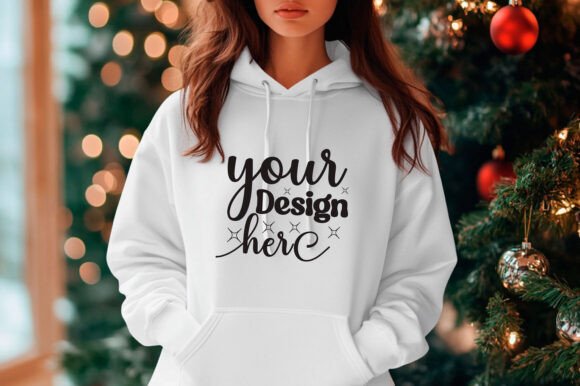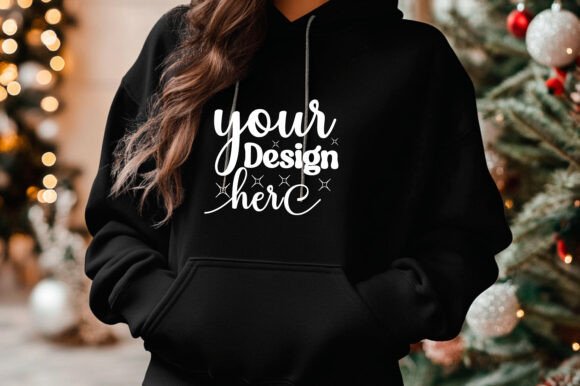
Gildan 18500 Hoodie Mockup 37: Graphics & Product Mockups
When a client approaches me with a request to launch a seasonal capsule collection for their handmade business, the pressure is on to deliver visuals that sell the dream before the product even exists. Recently, I was tasked with creating a comprehensive marketing suite for a boutique streetwear brand looking to capitalize on the holiday rush. The centerpiece of our strategy was the Gildan 18500 Hoodie Mockup 37. As an experienced designer, my first impression of this asset was immediate: it offers a gritty, authentic texture that feels far removed from the sterile, over-polished vectors we often see in generic design bundles.
The mood created by this specific mockup is one of cozy realism. It captures the heavy cotton blend and the slight irregularities of a real garment, which is crucial for building visual trust with potential customers. In the world of print-on-demand and Etsy product launches, authenticity is currency. This graphic design asset does not just display a logo; it contextualizes it within a lifestyle. It naturally fits projects targeting younger demographics, urban fashion lines, or any small business branding effort that relies on an "lived-in" aesthetic rather than corporate perfection.
Integrating the Asset into Real-World Design Workflows
In practical application, the versatility of the Gildan 18500 Hoodie Mockup 37 surprised me during the initial concept phase. We were not just using it for a simple product listing; we needed it to anchor a broader brand identity campaign. For logo design presentations, placing the mark on this textured fabric gave the client a tangible sense of how their embroidery or screen print would interact with the garment's weave. It performed exceptionally well when we adapted the visuals for social media graphics, specifically Instagram carousels and Pinterest pins where high-resolution texture drives engagement.
Beyond apparel, we leveraged the atmospheric quality of this mockup for packaging design concepts. By sampling the color palette and lighting from the hoodie image, we created cohesive marketing visuals for hang tags and shipping boxes. It also served as a fantastic background element for editorial design pieces, such as lookbooks and digital catalogs. For Cricut users and crafters selling sublimation design files, this type of realistic presentation is invaluable. It transforms a flat PNG design or SVG design into a desirable digital product that buyers can visualize in their own homes.
The asset shines brightest in large layout areas and hero graphics. When used as the focal point of a landing page or a Canva template for seasonal promotions, the depth of field draws the eye immediately. It works beautifully for themed collections, allowing designers to create a series of images that feel part of a unified Christmas Sweatshirt campaign without needing a physical photoshoot. Whether you are designing stickers, tote bags, or mugs, using this hoodie as a complementary lifestyle shot adds a layer of professionalism that elevates the entire design bundle.
Strategic Limitations and Visual Hierarchy
However, professional judgment requires knowing when not to use an asset. While the Gildan 18500 Hoodie Mockup 37 is stunning, its textured nature means it should be used carefully in projects requiring very clean visual hierarchy. If you are working on minimalist branding or professional corporate materials that demand stark, flat colors, the fabric grain might introduce unwanted noise. In crowded layouts or small sizes, such as favicon icons or mobile ad thumbnails, the details of the hoodie can get lost, potentially muddying the message.
Readability is another critical factor. If your t-shirt design or overlay text relies on thin, delicate lines, the shadowing and folds of the hoodie might interfere with legibility. I found that bold, sans-serif fonts or thick handwritten font styles worked best against this backdrop, whereas intricate script fonts sometimes struggled to pop unless a strong drop shadow or outline was applied. For projects that require absolute precision in color matching, remember that lighting in mockups can shift perceived hues, so always cross-reference with flat color swatches.
Technical Considerations for Commercial Use
Before finalizing any client deliverable, I run a strict checklist to ensure the commercial design standards are met. First, I test the asset in black and white to verify that the contrast holds up across different mediums. It is essential to check how the image performs on both light and dark backgrounds if you are extracting elements from it. Previewing the file at various sizes ensures that the resolution remains crisp for large-format prints like posters or flyers.
For those utilizing this in a print-on-demand workflow, inspecting the file formats is non-negotiable. Ensure you have access to high-resolution PNGs with proper transparency if you plan to composite your own designs onto the garment. If the package includes vector layers or smart objects, verify the editability to adjust the lighting or fabric color to match your specific Gildan Christmas theme. Comparing the mockup against different typography styles—serif, sans serif, and display fonts—helps determine the best pairing for your specific campaign.
Finally, and most importantly, confirm the commercial license terms. As a designer working for paying clients, you must ensure that the creative marketplace source allows for unlimited end-product sales, especially if your client plans to use these images for mass-market web design or national advertising. The Gildan 18500 Hoodie Mockup 37 is a powerful tool in the modern designer's arsenal, offering a bridge between digital creativity and physical reality. When used with intention and technical precision, it transforms a standard T-Shirt Mockup into a compelling narrative that drives sales and builds brand loyalty.
Ultimately, this mockup makes a gorgeous look when you use your design on it for your shop, provided you respect its textural character and apply it within the right strategic context. It is more than just a placeholder; it is a foundational element for crafting believable, emotionally resonant creative design solutions.